Device Category
1: Extremely dangerous to the person, if not properly controlled
Typical range of dimensions
1.5 m length × 1.5 m width × 1.5 m height
Typical range of mass
500–1000 kg
Application
Electricity generation
See Figs 28-33
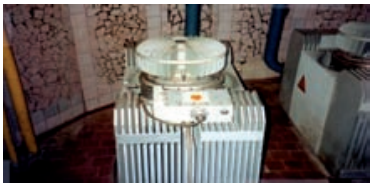
FIG. 26. FIG. 28. Radioisotope thermoelectric generator.
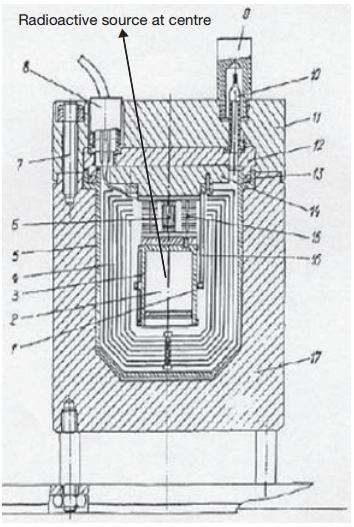
FIG. 27. FIG. 29. Schematic of a 90Sr radioisotope thermoelectric generator.
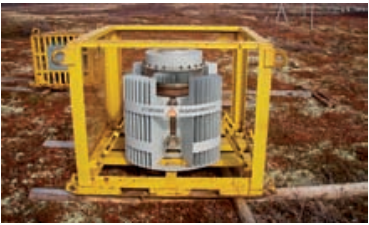
FIG. 28. FIG. 30. Radioisotope thermoelectric generator.
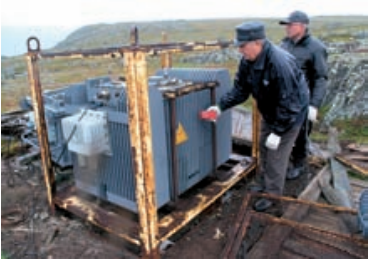
FIG. 29. FIG. 31. Radioisotope thermoelectric generator.
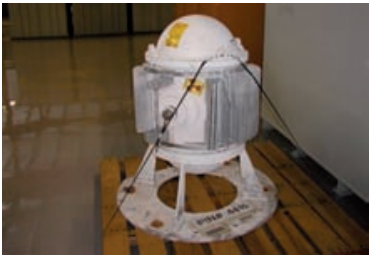
FIG. 30. FIG. 32. Radioisotope thermoelectric generator.
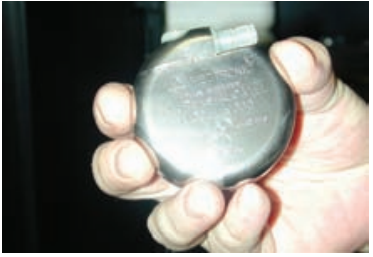
FIG. 31. FIG. 33. Radioisotope thermoelectric generator powered heart pacemaker.
Description of use
These devices typically use 238Pu or 90Sr sources.
They are used for the generation of electricity in remote locations where electricity cannot be provided by normal generation. They work by using heat energy created by the absorption of radiation from the radioactive source to generate electricity using a thermocouple device. There are three key applications:
- Space travel: Long distance space probes and satellites often use RTGs (normally containing 238Pu) to provide power for instruments or to keep them from freezing. The disposition of space probes and related technology means that these are rarely found.
- Heart pacemakers: very small 238Pu based RTGs were used until the 1970s in pacemakers to provide lifelong power. These have been rendered obsolete by improved battery technology, and due to safety and regulatory concerns. The low activity means that these devices are of little concern.
- Remote location power generation: RTGs were used to power lights and radio beacons on navigational marks, mostly in Arctic areas and also for underwater listening devices for military purposes. These devices typically contain a large 90Sr source (up to 1.85 PBq or 50 kCi).
Typical operating environment
The devices which cause most concern are the large 90Sr powered RTGs. Many of these were deployed around the remote coastlines of Canada and the former Soviet Union. However, they have fallen into disuse as satellite navigation has rendered them obsolete. There is an extensive programme to recover and decommission them, however, a number remain unaccounted for.
The 90Sr RTG consists of a steel shield with cooling fins on the outside, and the 90Sr source contained within. The source can be removed from the shield in a specialized shielded facility by trained personnel. The electricity generating component is effectively contained within the shielding.
The RTG would normally be associated with the equipment for which the electricity is required — for lighting or for a radio beacon, but it is believed that many may have been partially dismantled, leaving the shielded device separate from the rest of the unit.
In one instance, the shielded unit from an RTG was found partially dismantled, with the radioactive source removed. The source was recovered, unshielded, some distance away. It is believed that the device was dismantled by a scrap metal scavenger.
Of all radioactive sources and devices, these are considered to be of high concern due to the number unaccounted for, their remote and uncertain locations, and high radioactive content.
Notes
Pacemaker RTGs are of relatively low activity and are unlikely to be found. Space exploration RTGs are also unlikely to be found.
Sources
Typical source activity: 1.85 PBq (50 kCi) 90Sr for terrestrial power generation.
110 GBq (3 Ci) 238Pu for pacemakers.